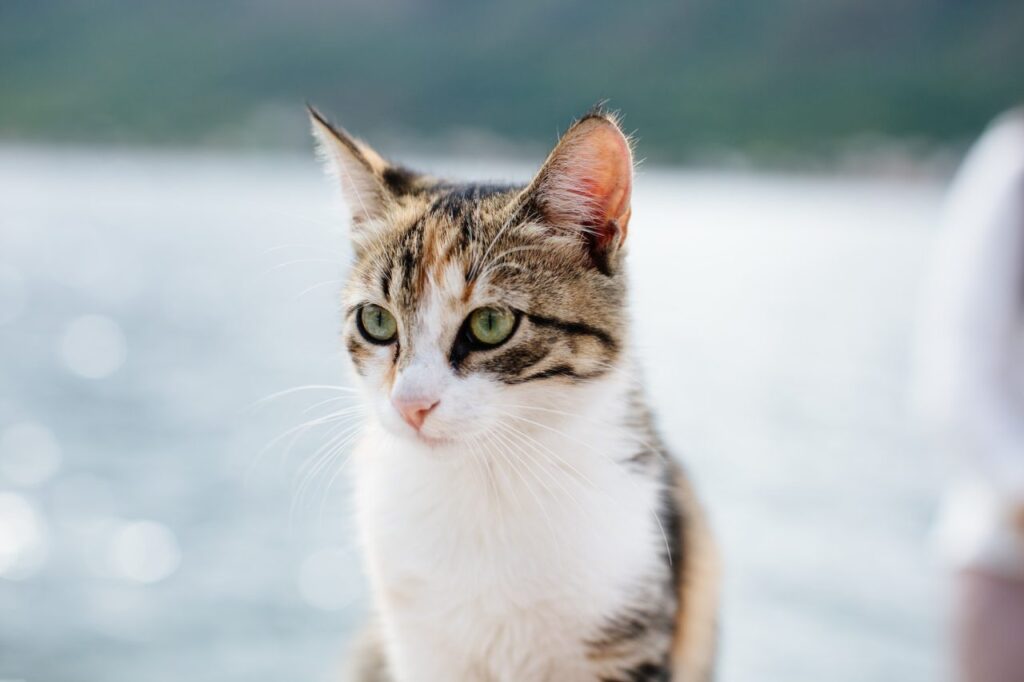
A high protein diet for kittens gives growing cats the nutrients they need to stay healthy and active. During the first year of life, kittens grow very fast. Their muscles, bones, organs, and body tissues develop every day. Because of this rapid growth, they need more protein than adult cats. Protein also provides the building blocks that help repair body tissues and support many important body functions.
The best protein for kittens comes from animal sources. Chicken, turkey, salmon, beef, and eggs are excellent choices because they contain all the essential amino acids kittens need. One of the most important amino acids is taurine. It supports healthy eyesight, heart function, and brain development. Since kittens cannot make enough taurine on their own, they must get it from their daily food.
A healthy kitten diet is about more than feeding extra protein. Growing kittens also need healthy fats, vitamins, minerals, calcium, phosphorus, and DHA. These nutrients work together to build strong bones, support brain development, strengthen the immune system, and keep the skin healthy and the coat shiny. That is why veterinarians recommend feeding a complete and balanced kitten food that is specially made for growing kittens.
When choosing kitten food, always read the ingredient list carefully. A named animal protein, such as chicken, turkey, or salmon, should be listed as the first ingredient. This usually means the food contains a high-quality source of protein. Foods made with real meat often provide better nutrition and are easier to digest than foods that contain large amounts of fillers or low-quality ingredients.
It is also important to remember that a high protein diet does not mean feeding your kitten only meat. Meat alone cannot provide all the nutrients a growing kitten needs. A balanced kitten diet includes the right amount of protein, healthy fats, vitamins, and minerals to support healthy growth. Feeding a complete and balanced kitten food every day is the safest way to help your kitten grow into a strong, healthy, and active adult cat.
Why Protein Is Essential for Growing Kittens
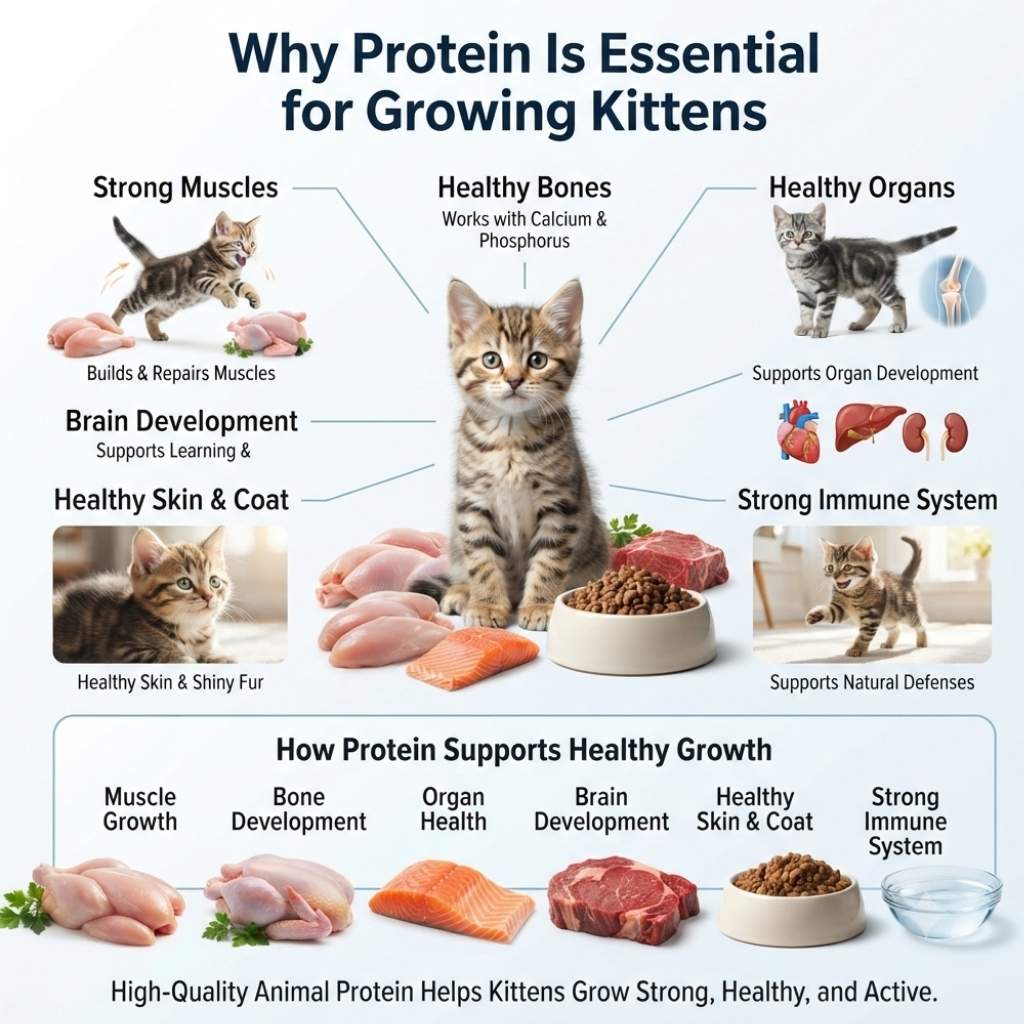
Protein is one of the most important nutrients in a kitten’s diet. It supports healthy growth from the very beginning. During the first year of life, kittens grow quickly, and their bodies need extra protein to build muscles, bones, organs, and other body tissues. A steady supply of high-quality animal protein also gives kittens the energy they need to play, learn, and explore their surroundings.
Unlike adult cats, growing kittens have much higher nutritional needs. Every part of their body depends on protein for healthy development. Without enough protein, kittens may grow more slowly, lose muscle mass, or have lower energy levels. Feeding a complete and balanced kitten food helps provide the right amount of protein along with other essential nutrients for healthy growth.
Muscle Development
Protein is the main building block for strong muscles. As kittens run, jump, and play, their muscles continue to grow and develop. Animal protein from ingredients like chicken, turkey, salmon, and beef provides essential amino acids that help build and repair muscle tissue. Strong muscles also improve balance, movement, and overall physical development.
Bone Growth
Healthy bones need more than calcium alone. Protein works together with calcium and phosphorus to build a strong skeleton and healthy teeth. A balanced kitten diet provides these nutrients in the right amounts to support steady bone growth throughout the first year of life.
Organ Development
A kitten’s organs continue developing after birth. The heart, liver, kidneys, and other vital organs all need protein to grow properly. Protein helps create new cells and supports normal body functions. Feeding high-quality kitten food every day helps these organs stay healthy as your kitten grows.
Healthy Skin and Coat
A soft, shiny coat is often a sign of good nutrition. Hair is made mostly of protein, so kittens need enough protein to grow healthy fur. Protein also supports healthy skin, while healthy fats and omega-3 fatty acids help keep the coat smooth, soft, and shiny.
Brain Development
The first few months of life are important for brain growth. Protein helps build new body cells, while DHA supports healthy brain and eye development. Together, these nutrients improve learning, memory, and coordination. A balanced kitten diet gives your kitten the nutrition needed for healthy mental development.
Strong Immune System
Protein helps the body produce antibodies and immune cells that protect kittens from illness. A diet rich in high-quality protein, along with vitamins and minerals, supports a strong immune system. This helps your kitten stay healthy while exploring new places and adapting to its environment.
How Protein Supports Your Kitten’s Growth
| Protein Function | Benefit for Kittens |
| Builds muscles | Supports strong muscle growth and an active body |
| Repairs body tissues | Helps the body heal and grow properly |
| Supports bone growth | Works with calcium and phosphorus to build strong bones |
| Strengthens the immune system | Helps protect against common illnesses |
| Produces enzymes and hormones | Supports healthy body functions |
| Maintains healthy skin and coat | Keeps skin healthy and fur soft and shiny |
| Supports organ development | Helps the heart, liver, kidneys, and other organs grow normally |
Giving your kitten a complete and balanced high-protein diet is one of the best ways to support healthy growth. Along with healthy fats, vitamins, minerals, and fresh water, protein provides the nutrition your kitten needs to grow into a strong, healthy, and active adult cat.
How Much Protein Does a Kitten Need?
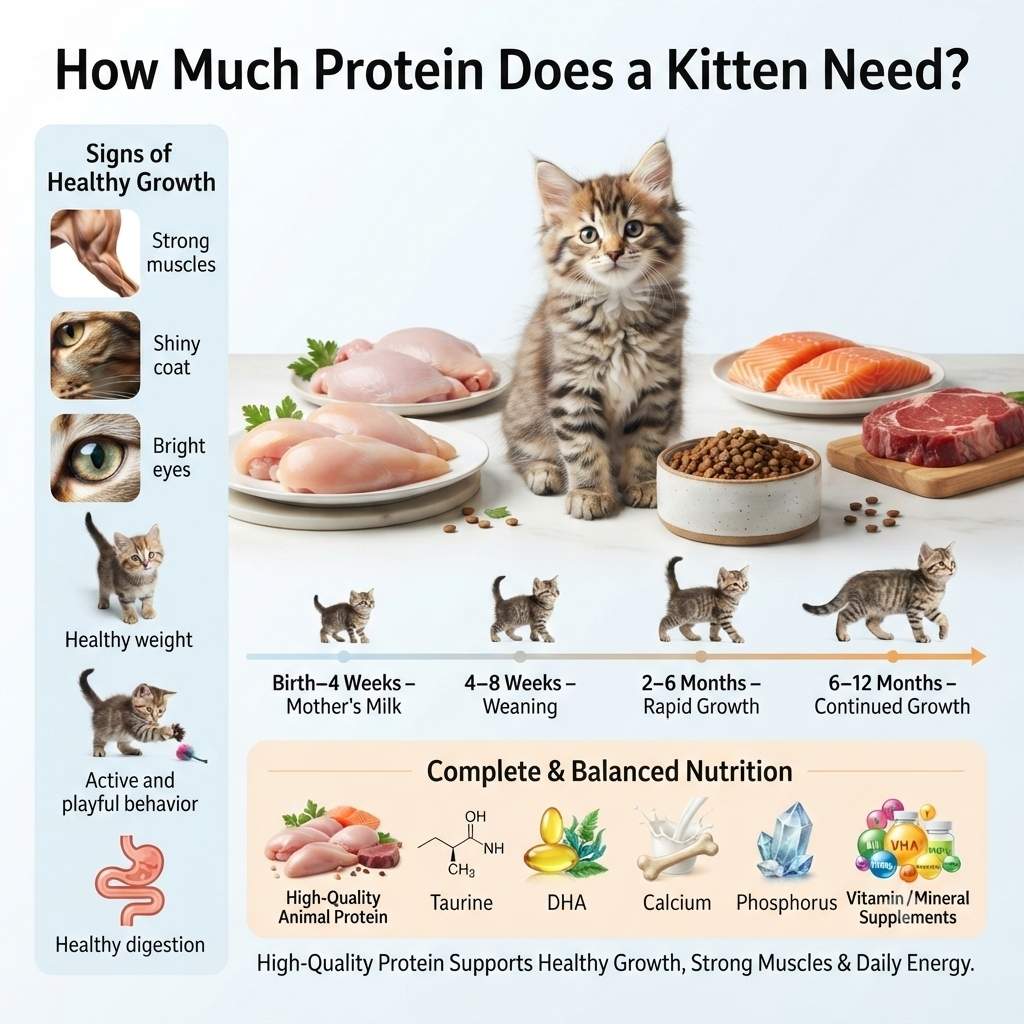
Kittens need more protein than adult cats because they grow very quickly during their first year of life. Every day, their bodies build new muscles, bones, organs, and body tissues. Protein also gives them the energy they need to play, explore, and stay active. Feeding a diet made especially for kittens helps provide the right amount of protein and other nutrients needed for healthy growth.
When choosing kitten food, do not focus only on the protein percentage printed on the package. The quality of the protein is just as important. Look for a complete and balanced kitten food made with real animal protein such as chicken, turkey, salmon, or beef. High-quality protein is easier to digest and gives kittens the essential amino acids they need for healthy development.
Every kitten has different nutritional needs. Age, breed, activity level, and overall health can all affect how much protein a kitten requires. Younger kittens that are growing rapidly and very active kittens often need more nutrients than older or less active ones. If your kitten has a health condition or special dietary needs, speak with your veterinarian before making changes to its diet.
General Protein Needs by Growth Stage
| Kitten Age | Growth Stage | Protein Needs |
| Birth to 4 weeks | Nursing | Mother’s milk provides all the protein and nutrients needed for healthy growth. |
| 4 to 8 weeks | Weaning | Gradually introduce a high-quality kitten food while reducing milk. |
| 2 to 6 months | Rapid growth | Feed a complete and balanced kitten food rich in high-quality animal protein. |
| 6 to 12 months | Continued growth | Continue feeding kitten food until your veterinarian recommends switching to adult cat food. |
Signs Your Kitten Is Getting Enough Protein
If your kitten eats a healthy and balanced diet every day, you will usually notice positive signs of healthy growth. Watch for these signs:
- Steady and healthy weight gain
- Strong and lean muscles
- Plenty of energy for running and playing
- A soft and shiny coat
- Healthy skin
- Bright and clear eyes
- Normal digestion with firm stools
- Healthy growth for its age
These signs show that your kitten is getting the nutrients needed for proper development.
Keep in mind that protein is only one part of a healthy kitten diet. Growing kittens also need healthy fats, vitamins, minerals, calcium, phosphorus, taurine, and DHA. All of these nutrients work together to support strong bones, healthy muscles, brain development, and a strong immune system. Feeding a complete and balanced kitten food every day is the easiest way to give your kitten the nutrition it needs to grow into a healthy, active adult cat.
Best High Protein Foods for Kittens
Choosing the right food is one of the best things you can do for your kitten’s health. During the first year of life, kittens grow very quickly and need plenty of high-quality protein every day. Protein helps build strong muscles, supports healthy organs, strengthens the immune system, and gives kittens the energy they need to play and grow. That is why veterinarians recommend feeding a complete and balanced kitten food made with high-quality animal protein.
When buying kitten food, always read the ingredient list. A named animal protein, such as chicken, turkey, or salmon, should be the first ingredient. This usually means the food contains a good source of protein. Try to avoid foods that contain large amounts of fillers or low-quality ingredients. A balanced diet made with real meat gives your kitten the nutrients needed for healthy growth and development.
Chicken
Chicken is one of the best protein sources for kittens. It is easy to digest and provides essential amino acids that help build strong muscles. It also gives growing kittens the energy they need to stay active throughout the day.
Turkey
Turkey is another excellent source of high-quality animal protein. It contains important nutrients like vitamin B6, phosphorus, and selenium. These nutrients help support healthy muscles, body tissues, and overall growth.
Salmon
Salmon is rich in protein and healthy omega-3 fatty acids, including DHA. These nutrients support healthy brain development, good eyesight, and a soft, shiny coat. Salmon is also a favorite flavor for many kittens.
Beef
Beef provides high-quality protein along with iron, zinc, and B vitamins. These nutrients help support healthy blood cells, muscle development, and energy production. Beef can be a healthy choice for kittens that digest it well.
Duck
Duck is another nutritious protein source for growing kittens. It provides both protein and healthy fats that support growth and provide extra energy. Some premium kitten foods also use duck as an alternative protein for kittens with food sensitivities.
Lamb
Lamb contains easy-to-digest protein along with several important vitamins and minerals. It supports healthy growth and is often included in kitten foods made for sensitive stomachs.
Eggs
Cooked eggs are one of the highest-quality sources of protein. They contain all the essential amino acids needed for growth and tissue repair. However, eggs should only be given occasionally as a treat. They should never replace a complete and balanced kitten food.
Comparison of High Protein Foods for Kittens
| Protein Source | Main Benefits | Important Nutrients |
| Chicken | Easy to digest and supports muscle growth | Protein, B vitamins |
| Turkey | Helps build muscles and body tissues | Protein, Selenium, Phosphorus |
| Salmon | Supports brain, skin, and coat health | Protein, DHA, Omega-3 fatty acids |
| Beef | Supports healthy growth and energy | Protein, Iron, Zinc |
| Duck | Provides energy and healthy fats | Protein, Healthy fats |
| Lamb | Gentle on digestion for many kittens | Protein, Zinc, B vitamins |
| Cooked Eggs | High-quality complete protein | Protein, Vitamins, Minerals |
Tips for Choosing High Protein Kitten Food
Keep these simple tips in mind when shopping for kitten food:
- Choose food with real animal protein as the first ingredient.
- Look for the words “Complete and Balanced” on the package.
- Make sure the food contains taurine, DHA, vitamins, and minerals.
- Avoid foods with too many fillers, artificial colors, or added sugars.
- Buy kitten-specific food instead of adult cat food.
- Introduce new food slowly to help prevent digestive problems.
Feeding your kitten a variety of high-quality protein sources through a complete and balanced diet helps support healthy growth, strong muscles, good digestion, and overall well-being. Remember, the goal is not to feed the highest amount of protein. The goal is to provide high-quality animal protein along with all the nutrients your kitten needs to grow into a healthy, active adult cat.
Wet vs Dry High Protein Kitten Food
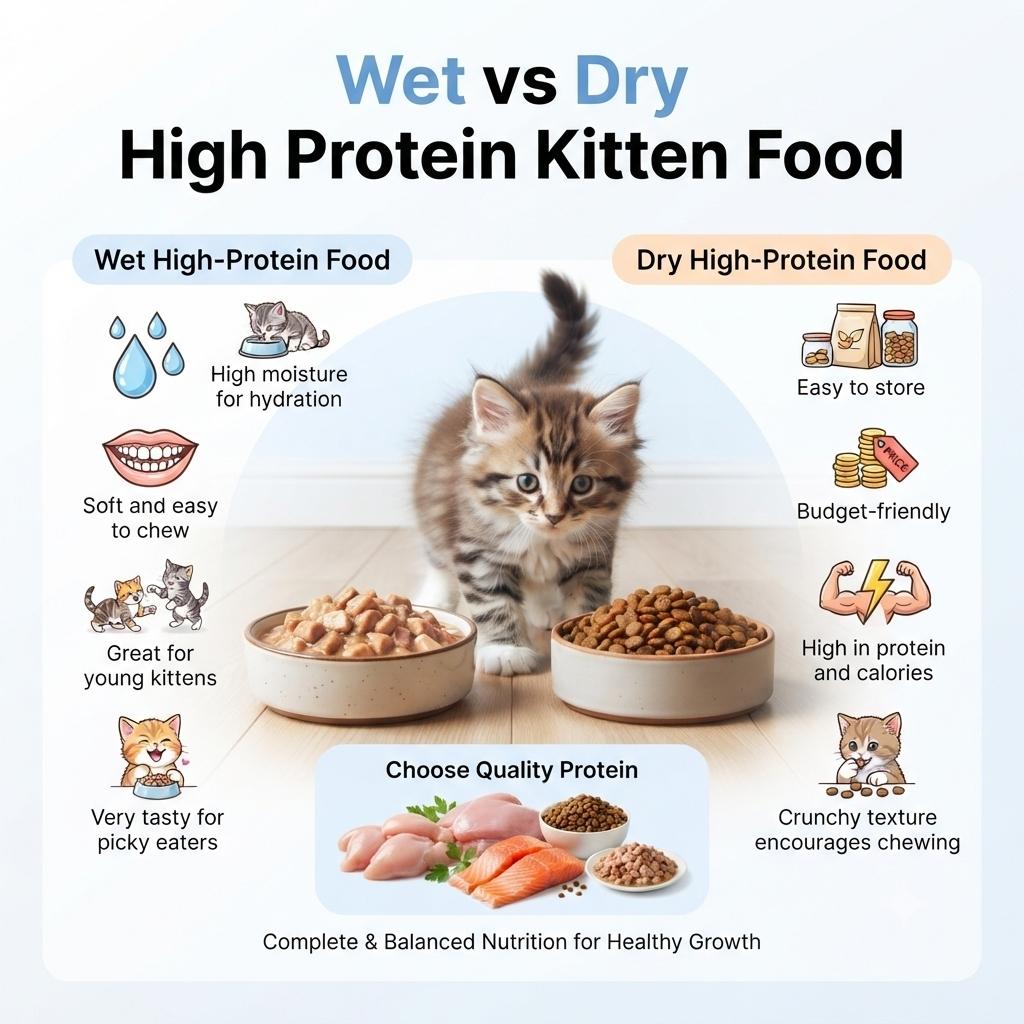
Both wet and dry kitten food can provide the high-quality protein your kitten needs to grow. The best choice depends on your kitten’s age, eating habits, and daily nutritional needs. Many veterinarians recommend feeding a mix of both because it combines the benefits of each type while providing complete and balanced nutrition.
Wet kitten food contains a high amount of moisture, which helps keep kittens hydrated. Good hydration supports healthy kidney and urinary tract function. Wet food is also soft and easy to chew, making it a great choice for young kittens that are still learning to eat solid food. Many kittens also enjoy its rich smell and soft texture, which can encourage picky eaters to finish their meals.
Dry kitten food is easy to store and stays fresh longer once served. It is often more affordable than wet food and provides a concentrated source of protein and calories. The crunchy texture encourages chewing, although it should not replace regular dental care or veterinary checkups.
No matter which type you choose, always buy a complete and balanced kitten food made with high-quality animal protein. Look for real meat, such as chicken, turkey, or salmon, as the first ingredient. The food should also contain important nutrients like taurine, DHA, calcium, phosphorus, vitamins, and minerals to support healthy growth and development.
Wet Food vs Dry Food Comparison
| Feature | Wet Kitten Food | Dry Kitten Food |
| Moisture Content | High, helps keep kittens hydrated | Low, so fresh water is always needed |
| Protein Source | Rich in high-quality animal protein | Also provides high-quality animal protein |
| Texture | Soft and easy to chew | Crunchy and easy to serve |
| Taste | Usually more appealing to kittens | Many kittens enjoy it after weaning |
| Storage | Refrigerate after opening | Easy to store and has a longer shelf life |
| Cost | Usually costs more | Usually more budget-friendly |
| Best For | Young kittens and picky eaters | Daily feeding and convenience |
Can You Feed Both Wet and Dry Food?
Yes. Feeding both wet and dry food is a healthy option for many kittens. Wet food helps increase water intake, while dry food offers convenience and balanced nutrition. Serving both can also give your kitten different textures and flavors, making mealtime more enjoyable.
If you decide to feed both, adjust the portion sizes to prevent overfeeding. Follow the feeding guide on the food package and check your kitten’s weight regularly. Your kitten should always have access to fresh, clean water, especially if it eats dry food every day.
In the end, the most important choice is not whether you feed wet food or dry food. What matters most is choosing a high-quality, complete and balanced kitten food that provides enough animal protein, healthy fats, vitamins, minerals, and other essential nutrients. A balanced diet will help your kitten grow into a healthy, strong, and active adult cat.
How to Choose the Best High Protein Kitten Food
Choosing the right kitten food can make a big difference in your kitten’s health. Not all kitten foods provide the same nutrition. Some are made with high-quality animal protein, while others contain fillers or low-quality ingredients. Reading the food label carefully can help you choose a diet that supports healthy growth, strong muscles, and overall well-being.
The first ingredient should always be a named animal protein, such as chicken, turkey, salmon, or beef. This shows that real meat is the main source of protein in the food. Animal protein is easier for kittens to digest and provides the essential amino acids they need for healthy growth and development.
It is also important to choose a complete and balanced kitten food. These formulas are specially made to meet the nutritional needs of growing kittens. In addition to protein, they contain healthy fats, taurine, DHA, vitamins, minerals, calcium, and phosphorus. Together, these nutrients support strong bones, brain development, healthy skin, a shiny coat, and a strong immune system.
What to Look For
When shopping for high-protein kitten food, look for these important features:
- Real chicken, turkey, salmon, beef, or another named animal protein as the first ingredient
- A complete and balanced formula made for growing kittens
- High-quality animal protein instead of plant-based protein as the main source
- Added taurine to support heart and eye health
- DHA for healthy brain and vision development
- Calcium and phosphorus for strong bones and teeth
- Essential vitamins and minerals for overall growth
- No unnecessary artificial colors, flavors, or preservatives whenever possible
Ingredients to Limit or Avoid
Some ingredients provide little nutritional value for growing kittens. While small amounts may not be harmful, they should never replace high-quality animal protein.
Try to avoid foods that contain:
- Unnamed meat ingredients, such as “meat by-products” without a clear source
- Large amounts of corn, wheat, or soy as the main ingredients
- Excessive fillers with little nutritional value
- Artificial colors and unnecessary flavor enhancers
- Added sugars or sweeteners
Read the Guaranteed Analysis
The guaranteed analysis on the food package gives useful information about the nutrients in the food. However, do not choose a product based only on the protein percentage. The quality and digestibility of the protein are just as important.
Look for a good balance of:
- High-quality animal protein
- Healthy fats that provide energy
- Fiber to support healthy digestion
- Essential vitamins and minerals
- Moisture levels that match your kitten’s feeding routine
Consider Your Kitten’s Individual Needs
Every kitten is different. Age, breed, activity level, and overall health all play a role in choosing the right food.
For example:
- Very active kittens often need more calories and protein.
- Long-haired breeds benefit from nutrients that support healthy skin and a shiny coat.
- Kittens with sensitive stomachs may digest chicken or turkey more easily than other protein sources.
If your kitten has allergies, digestive problems, or another medical condition, talk to your veterinarian before changing its diet.
Quick Checklist Before You Buy
Use this checklist when comparing kitten foods.
| Checklist | ✓ |
| Real animal protein is the first ingredient | ✓ |
| Made specifically for growing kittens | ✓ |
| Complete and balanced nutrition | ✓ |
| Contains taurine and DHA | ✓ |
| Includes calcium and phosphorus | ✓ |
| Free from unnecessary artificial colors | ✓ |
| Made by a trusted pet food manufacturer | ✓ |
Choosing the best high-protein kitten food is not about finding the highest protein percentage. It is about selecting a food made with high-quality ingredients, balanced nutrition, and real animal protein. A healthy diet gives your kitten everything it needs to grow into a strong, healthy, and active adult cat.
Can Kittens Eat Too Much Protein?
Many new cat owners wonder if too much protein can be harmful to their kitten. The good news is that healthy kittens are naturally built to eat a diet rich in animal protein. During the first year of life, they grow quickly and need plenty of protein to build muscles, develop organs, repair body tissues, and stay active. When the protein comes from a complete and balanced kitten food, it is both safe and beneficial.
However, a healthy diet is about more than just protein. Growing kittens also need healthy fats, vitamins, minerals, calcium, phosphorus, taurine, and DHA. These nutrients work together to support strong bones, healthy brain development, a strong immune system, and overall growth. Feeding a diet that contains only protein without the right balance of other nutrients can lead to health problems over time.
Is More Protein Always Better?
Not always. Kittens need more protein than adult cats, but feeding extra protein does not automatically make them healthier. Once your kitten gets the amount of protein it needs, the body simply uses the extra protein for energy or processes it like other nutrients.
Instead of choosing food with the highest protein percentage, focus on the overall quality of the diet. Look for:
- High-quality animal protein as the main ingredient
- A complete and balanced formula for kittens
- Food made especially for growing kittens
- Trusted pet food brands
- Feeding portions that match your kitten’s age and weight
These factors are much more important than choosing food based only on the protein number on the label.
What Happens If a Kitten Eats an Unbalanced High-Protein Diet?
Some people think feeding only meat is the healthiest choice. While meat is an excellent source of protein, it does not contain every nutrient a growing kitten needs. A meat-only diet can lead to nutritional imbalances because it lacks important vitamins and minerals.
Possible health problems include:
- Weak bones caused by low calcium
- Vitamin and mineral deficiencies
- Slow or unhealthy growth
- Poor nutritional balance
- Digestive problems
- A weaker immune system over time
This is why veterinarians recommend feeding a complete and balanced kitten food instead of plain meat alone.
Are There Any Exceptions?
Most healthy kittens benefit from a high-protein diet. However, kittens with certain medical conditions may need a special diet. For example, kittens with kidney disease, liver disease, or other health problems may have different nutritional needs.
If your kitten has a medical condition, always ask your veterinarian before changing its diet. A professional can recommend the safest feeding plan based on your kitten’s health.
Tips for Feeding Protein the Right Way
Follow these simple tips to give your kitten the nutrition it needs:
- Feed a complete and balanced kitten food every day.
- Choose food with real animal protein as the first ingredient.
- Follow the feeding guide on the package.
- Avoid feeding only meat or homemade diets without veterinary advice.
- Keep fresh, clean water available at all times.
- Check your kitten’s weight and growth regularly.
High Protein Diet: Facts vs. Myths
| Myth | Fact |
| More protein is always better. | Kittens need the right amount of high-quality protein as part of a balanced diet. |
| Kittens can live on meat alone. | Meat alone does not provide all the nutrients needed for healthy growth. |
| Adult cat food is suitable for kittens. | Kitten food contains extra protein and nutrients that growing kittens need. |
| All high-protein foods are the same. | The quality of the protein and the overall balance of nutrients matter most. |
A high-protein diet is healthy for most kittens when it comes from a complete and balanced kitten food. Instead of looking for the highest protein percentage, choose food made with high-quality animal protein and the essential nutrients needed for healthy growth. A balanced diet will help your kitten develop strong muscles, healthy bones, a strong immune system, and a happy, active life.
Common Mistakes to Avoid
Feeding your kitten the right food is important, but avoiding common feeding mistakes is just as important. Many cat owners make small mistakes without realizing they can affect their kitten’s health and growth. Learning what to avoid will help you provide a balanced diet and give your kitten the best possible start in life.
Feeding Adult Cat Food Too Early
Adult cat food is made for fully grown cats, not growing kittens. It usually contains lower amounts of protein, healthy fats, and other nutrients that kittens need during their first year. Feeding adult cat food too soon may slow your kitten’s growth and development. Always choose a complete and balanced kitten food until your veterinarian recommends switching to adult food.
Choosing Food Based Only on Protein Percentage
Many people think the food with the highest protein percentage is always the best choice. This is not true. The quality of the protein is much more important than the number on the label. Look for foods made with real animal protein, such as chicken, turkey, salmon, or beef, as the first ingredient.
Ignoring the Ingredient List
The ingredient list tells you a lot about the quality of the food. A good kitten food should list a named meat source first. Try to avoid products that contain large amounts of fillers or unnamed meat ingredients. High-quality ingredients provide better nutrition and are easier for kittens to digest.
Feeding Only Meat
Meat is an excellent source of protein, but it does not provide everything a growing kitten needs. A meat-only diet can be low in calcium, vitamins, and other important nutrients. Over time, this can lead to poor bone development and nutritional deficiencies. A balanced kitten food is a much healthier choice for daily feeding.
Giving Too Many Treats
Treats can be useful for training or rewarding good behavior, but they should only be given in small amounts. Too many treats can reduce your kitten’s appetite for healthy meals and may lead to unhealthy weight gain. Most of your kitten’s daily nutrition should come from high-quality kitten food.
Changing Food Too Quickly
A sudden change in food can upset your kitten’s stomach. If you want to switch to a new high-protein kitten food, do it slowly over seven to ten days. Mix a small amount of the new food with the old food and gradually increase the new food each day. This helps your kitten adjust without digestive problems.
Feeding Too Much or Too Little
Feeding the right amount is just as important as choosing the right food. Too much food can cause unhealthy weight gain, while too little food may affect normal growth. Follow the feeding guide on the package and adjust the portion based on your kitten’s age, weight, and activity level. Regular weight checks can help you know if your kitten is growing at a healthy rate.
Forgetting Fresh Water
Fresh, clean water should always be available, even if your kitten eats wet food. Water supports healthy digestion, helps regulate body temperature, and keeps the kidneys working properly. Kittens that eat mostly dry food need enough water every day to stay hydrated.
Common Feeding Mistakes and Better Choices
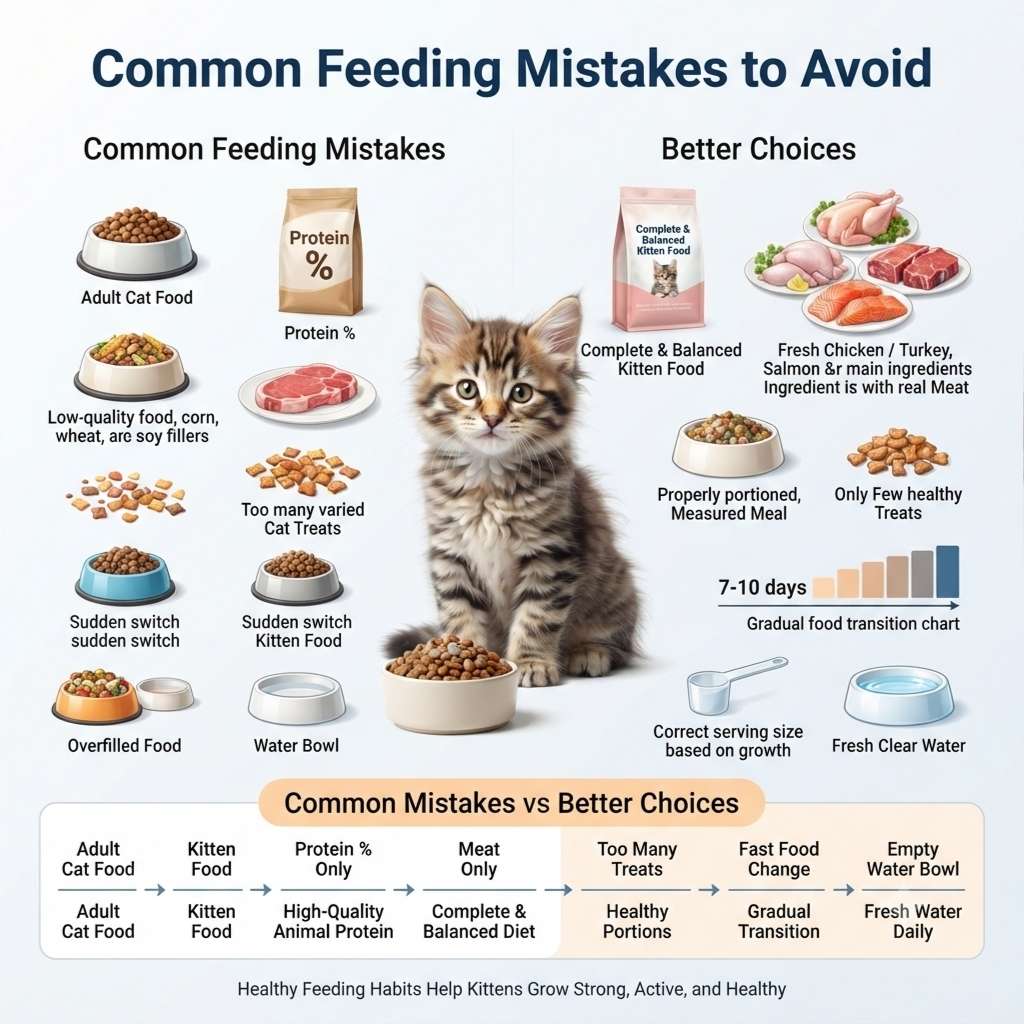
| Common Mistake | Better Choice |
| Feeding adult cat food | Choose a complete and balanced kitten food made for growing kittens |
| Looking only at the protein percentage | Focus on high-quality animal protein and balanced nutrition |
| Ignoring the ingredient list | Choose food with real meat as the first ingredient |
| Feeding only meat | Feed a complete and balanced kitten diet |
| Giving too many treats | Keep treats limited and provide nutritious meals |
| Changing food too quickly | Switch foods gradually over 7–10 days |
| Feeding too much or too little | Follow feeding guidelines and monitor your kitten’s growth |
| Not providing enough water | Keep fresh, clean water available at all times |
Avoiding these common feeding mistakes can help your kitten grow into a healthy, active adult cat. A complete and balanced high-protein diet, regular veterinary checkups, and good feeding habits provide the strong nutritional foundation your kitten needs for a healthy future.
Transitioning to a High Protein Diet
If you want to switch your kitten to a high-protein diet, do it slowly. A sudden change in food can upset your kitten’s digestive system. It may cause vomiting, diarrhea, or a temporary loss of appetite. A gradual transition gives your kitten time to adjust and helps reduce the risk of stomach problems.
Whether you are changing to a new kitten food brand or introducing a better-quality, high-protein formula, patience is important. Mix the new food with your kitten’s current food for several days. Slowly increase the amount of the new food until your kitten is eating it completely.
7-Day Food Transition Schedule
| Day | New Food | Current Food |
| 1–2 | 25% | 75% |
| 3–4 | 50% | 50% |
| 5–6 | 75% | 25% |
| 7 | 100% | 0% |
Most kittens adjust well within a week. However, some kittens have sensitive stomachs and may need a little more time. If needed, extend the transition to 10 days to make the change easier.
Tips for a Successful Food Transition
Follow these simple tips to help your kitten adjust smoothly:
- Choose a complete and balanced kitten food made with high-quality animal protein.
- Mix the new food with the old food instead of changing it all at once.
- Feed your kitten at the same time every day to maintain a regular routine.
- Always provide fresh, clean drinking water.
- Watch your kitten’s appetite, energy level, and stool quality during the transition.
- Avoid introducing new treats or other foods until the transition is complete.
Signs the Transition Is Going Well
Most kittens adapt to a new diet without any problems. These signs show that your kitten is adjusting well:
- Eats meals with a healthy appetite
- Has firm and normal stools
- Stays active and playful
- Shows no signs of vomiting or stomach upset
- Continues to gain weight steadily
- Has bright eyes and a soft, shiny coat
If you notice these signs, your kitten is likely adjusting well to its new high-protein diet.
When to Slow Down the Transition
Some kittens need extra time to get used to new food. Slow the transition and contact your veterinarian if you notice:
- Vomiting that continues for more than a day
- Diarrhea that lasts longer than one or two days
- Refusing to eat
- Signs of stomach pain or discomfort
- Low energy or unusual tiredness
A slower transition often helps kittens with sensitive stomachs adjust more comfortably.
Should You Change Kitten Food Often?
In most cases, the answer is no. Once you find a high-quality, complete and balanced kitten food that supports healthy growth and your kitten enjoys eating, it is usually best to keep feeding the same food. Frequent food changes can upset your kitten’s digestion and make it harder to maintain a healthy eating routine.
A slow transition, the right portion sizes, and plenty of fresh water can help your kitten enjoy the benefits of a high-protein diet without unnecessary digestive problems. A consistent, balanced diet is one of the best ways to support healthy growth and help your kitten develop into a strong, healthy, and active adult cat.
Frequently Asked Questions
Is a high-protein diet good for kittens?
Yes. A high-protein diet is very important for healthy kittens. During their first year, kittens grow quickly and need extra protein to build muscles, develop organs, repair body tissues, and support a strong immune system. Choose a complete and balanced kitten food made with high-quality animal protein to meet your kitten’s daily nutritional needs.
What is the best protein source for kittens?
Animal protein is the best choice for growing kittens. Good sources include chicken, turkey, salmon, beef, duck, and lamb. These proteins provide essential amino acids, including taurine, which supports healthy heart function, good eyesight, and normal growth. When buying kitten food, look for a named meat source as the first ingredient.
Can kittens eat cooked chicken?
Yes. Plain, fully cooked chicken can be given as an occasional treat. Make sure it does not contain salt, onions, garlic, spices, or other seasonings that can be harmful to cats. However, cooked chicken should not replace a complete and balanced kitten food because it does not provide all the nutrients a growing kitten needs.
Is fish good for kittens every day?
Fish, such as salmon, is an excellent source of protein and healthy omega-3 fatty acids, including DHA. However, feeding fish every day is not recommended. Kittens need a variety of nutrients from different protein sources. A balanced kitten food provides everything they need for healthy growth.
Do indoor kittens need a high-protein diet?
Yes. Indoor kittens have the same nutritional needs as outdoor kittens. They still need plenty of high-quality animal protein, healthy fats, vitamins, and minerals to support healthy muscles, strong bones, and overall development.
Is grain-free kitten food better?
Not always. Most healthy kittens do not need a grain-free diet. The most important thing is choosing a complete and balanced kitten food made with high-quality animal protein. Unless your veterinarian recommends a grain-free diet for a medical reason, kitten food that contains healthy grains can be a good choice.
When should kittens switch to adult cat food?
Most kittens are ready to switch to adult cat food at around 12 months of age. However, some large breeds, such as the Maine Coon, grow more slowly and may need kitten food for a longer time. Your veterinarian can help you decide the best time to make the change based on your kitten’s breed, size, and overall health.
Conculsion
A high-protein diet for kittens plays an important role in healthy growth and development. During the first year of life, kittens need more protein than adult cats to build strong muscles, support healthy bones, develop vital organs, and stay active. Feeding high-quality animal protein gives your kitten the nutrients it needs to grow into a healthy adult cat.
When choosing kitten food, focus on the overall quality of the food instead of the protein percentage alone. Look for a complete and balanced kitten food with real animal protein as the first ingredient. It should also provide important nutrients such as taurine, DHA, calcium, phosphorus, vitamins, and minerals. Together, these nutrients support healthy growth, brain development, strong bones, healthy skin, and a shiny coat.
Good nutrition is only one part of raising a healthy kitten. Feed your kitten on a regular schedule, provide fresh and clean water every day, and monitor its growth and weight. Regular veterinary checkups also help ensure your kitten is developing properly. With the right diet and proper care, your kitten can grow into a strong, healthy, and happy companion for many years.